As leaves crunch underfoot and a chill settles in, Halloween returns with its familiar mix of costumes, candy, and playful fright. But beneath the surface lies a layered history—one that blends ancient rituals, religious observances, and cultural evolution.
Why do we carve pumpkins, dress as ghosts, or celebrate the dead? The answers trace back to traditions that span centuries and continents.
Let’s peel back the layers of this autumn ritual and explore its roots—from Celtic rites and Christian adaptations to global celebrations of the dead.
Samhain: Where the Story Begins
Long before Halloween took shape, the ancient Celts observed Samhain (pronounced SAH-win), a festival marking the end of harvest and the beginning of winter. October 31 was a time when the veil between worlds grew thin, allowing spirits to cross into the realm of the living.
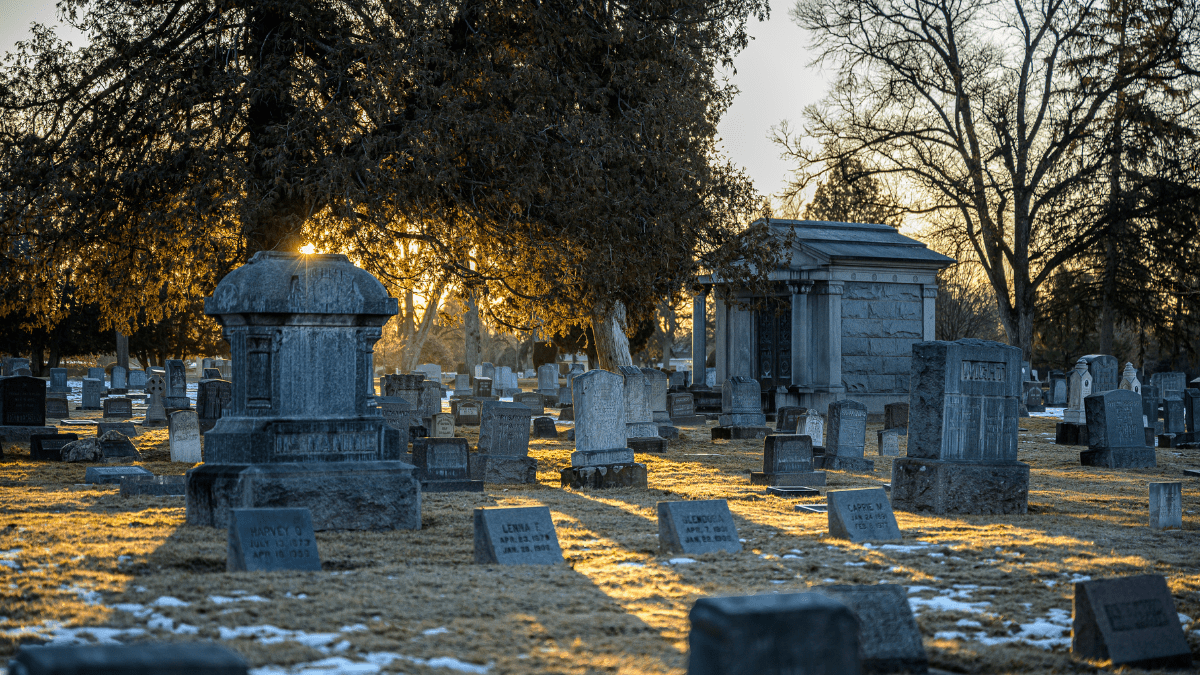
During Samhain, people believed:
- Spirits could more easily cross into our world
- The souls of the dead might return to their homes
- The future could be more easily foretold
As you might expect, Samhain included rituals like communicating with the dead and seeking knowledge through divination—two practices Scripture clearly warns against.
“There shall not be found among you anyone who… practices witchcraft, or a soothsayer, or one who interprets omens, or a sorcerer, or one who conjures spells, or a medium, or a spiritist, or one who calls up the dead. For all who do these things are an abomination to the Lord.”
—Deuteronomy 18:10–12 (NKJV)
The Christian Roots of Halloween
As Christianity spread through Celtic lands, the Church saw that Samhain wouldn’t disappear. So it did what it often did: replaced the pagan observance with a Christian one, hoping to redirect devotion.
In the 8th century, Pope Gregory III set November 1 as All Saints’ Day to honor saints and martyrs. He designated the night before as All Hallows’ Eve—what we now call Hallowe’en.
Samhain’s bonfires, disguises, and spirit rituals didn’t vanish. They merged with Christian practice, creating a celebration that still carries echoes of both worlds.
Halloween’s roots run deep—and not all of them align with Christian faith. Understanding where these customs come from helps us discern what we’re truly celebrating.
Where Modern Halloween Traditions Came From
As Samhain blended with All Hallows’ Eve, many ancient customs took on new meanings. Over time, these customs evolved into the Halloween traditions we know today. Some appear as innocent fun, but others still carry echoes of their spiritual origins—echoes that Christians should carefully consider.
Halloween Costumes and Disguises
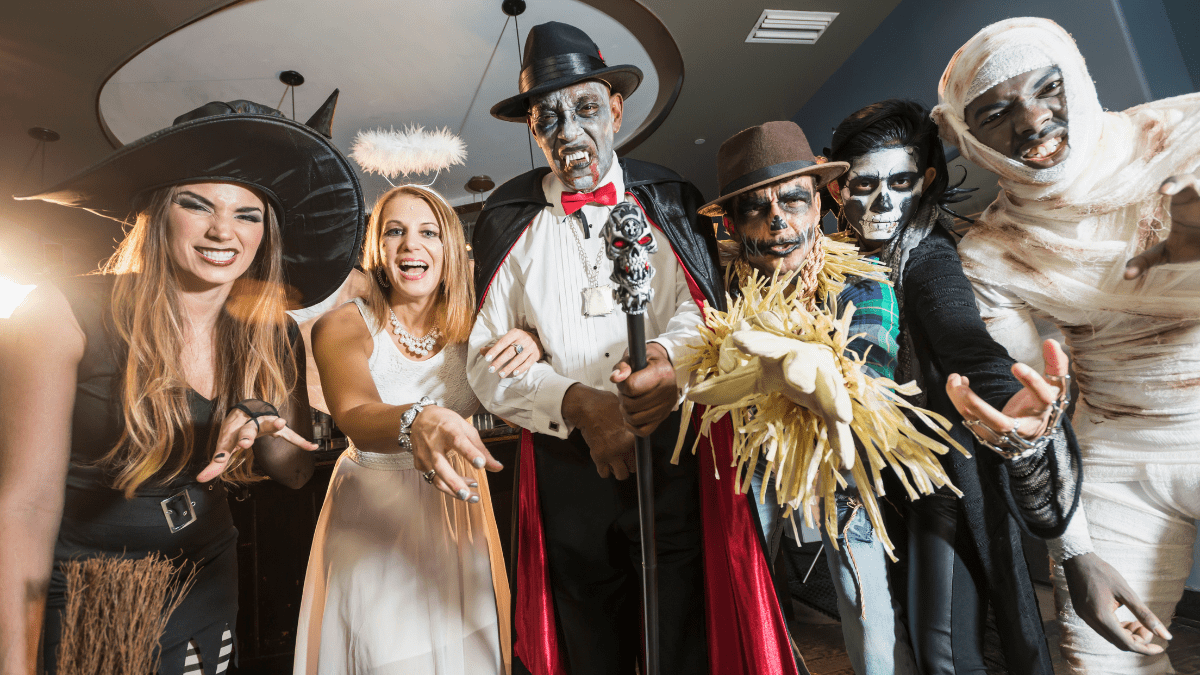
During Samhain, villagers dressed in animal skins or masks to confuse spirits and protect themselves from wandering souls. In medieval Europe, both children and adults practiced “guising” or “mumming,” where they performed plays or recited verses in exchange for food.
Today’s Halloween costumes continue the idea of stepping into another identity. While modern costumes seem playful, their origins involve attempts to manipulate spiritual forces—a practice Scripture warns against (Deuteronomy 18:10-12).
Jack-o’-Lanterns
The jack-o’lantern tradition began with an Irish folktale about Stingy Jack, who tricked the Devil and was condemned to wander the earth with only a glowing coal inside a hollowed turnip. To ward off his restless spirit, people carved scary faces into turnips—creating their own versions of “Jack o’ the Lantern.”
When Irish immigrants came to America, they found pumpkins were easier to carve and began using them instead. Though pumpkins now symbolize autumn and creativity, their role in Halloween decorations comes from superstition and fear of the supernatural.
How Trick-or-Treating Began
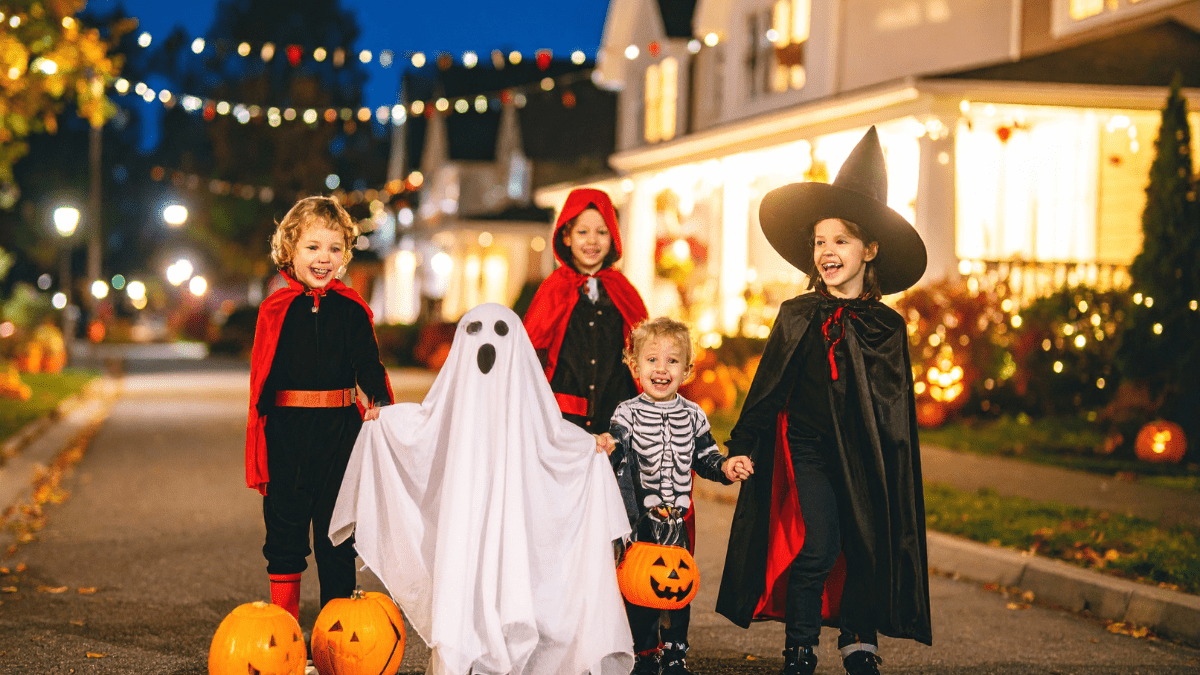
In medieval Europe, Christians practiced “souling,” visiting homes to pray for the dead in exchange for small cakes. In parts of Scotland and Ireland, children went “guising,” performing songs or jokes for treats.
By the 20th century, these customs lost their spiritual roots and became secularized. They merged into what we now call trick-or-treating, and it began to focus on candy and fun rather than prayer or appeasing spirits.
Bonfires and Parties
Samhain bonfires marked the end of harvest and were lit to drive away spirits and ensure protection through the winter. When the Church introduced All Hallows’ Eve, the fires became part of All Hallows Eve—but now to honor saints and remember the dead rather than ward off spirits.
Modern bonfires and parties carry no spiritual meaning at all; they’re simply seasonal gatherings around food, friends, and warmth.
Ghosts and the Supernatural
Samhain was founded on the belief that the dead could return to visit the living. That fascination with spirits never disappeared—it simply evolved. Today it shows up in ghost tours, horror films, haunted houses, and even “harmless” games that invite people to communicate with the dead.
While not every spooky movie or costume automatically violates biblical teaching, it does call us to use discernment. Christians are told to “abstain from every form of evil” (1 Thessalonians 5:22) and to fix our minds on what is true, pure, and lovely (Philippians 4:8). Whether it’s a haunted house or a ghost-themed party, the real question is: does it draw us closer to God, or does it trivialize darkness?
As we’ve seen, many of today’s Halloween customs began with spiritual meanings—some innocent, others not. Over centuries they’ve shifted from sacred to secular, but the roots still matter for those who follow Christ.
Should Christians Celebrate Halloween?
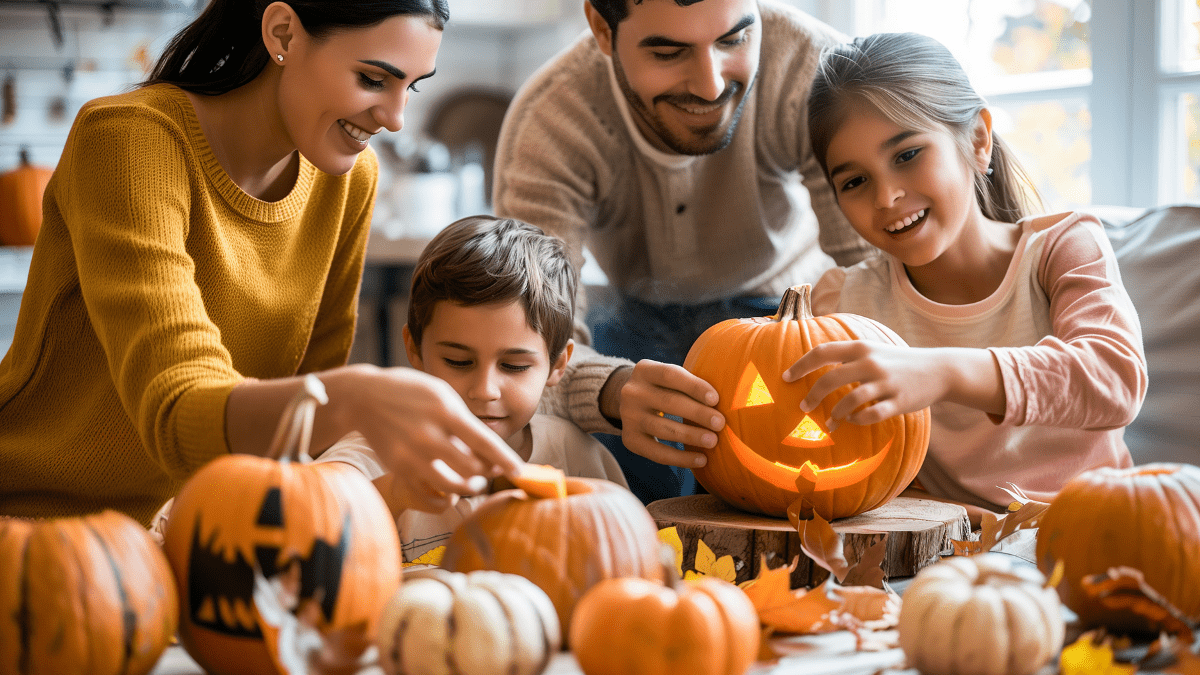
Halloween has deep roots—part pagan, part Christian, and part cultural. Its customs range from innocent fun to practices Scripture warns against, like glorifying fear, death, or the occult. As believers, we are called to walk in the light (Ephesians 5:8) and come out from among what is unclean (2 Corinthians 6:17), even when culture pressures us to blend in.
The reality of spiritual warfare reminds us that our battle is not merely against flesh and blood, but against forces of darkness (Ephesians 6:12). Scripture urges us to abstain from all appearances of evil (1 Thessalonians 5:22). And while Halloween may appear harmless, when we dress up as demons, play with ghost stories, or glorify fear—even casually—we may be making light of what God calls evil.
That said, not every Halloween activity is inherently wrong. You can enjoy trick-or-treating, fall festivals, and seasonal gatherings all you want, as long as they honor God and reflect His truth and love. The key is discernment: sift through cultural traditions like candy after trick-or-treating. Keep what is wholesome, discard what glorifies darkness, and let your choices reflect Christ’s principles (Philippians 4:8, Colossians 3:23).
This is especially important for families. Children are watching, learning, and forming impressions about spiritual truth. Parents can use Halloween as an opportunity to discuss the spiritual world, teach discernment, show courage in standing apart from what is unclean, and model how to follow God faithfully even when peers or culture celebrate differently (Proverbs 22:6, Deuteronomy 6:6-7).
Above all, navigating Halloween faithfully requires prayer and dependence on the Holy Spirit. Ask God to guide your choices, protect your heart, and give wisdom in how to love neighbors while remaining distinct in faith. Ask the Holy Spirit to lead you in deciding what to participate in, what to abstain from, and how to turn something secular into an opportunity to glorify God.
When Christ is at the center, our decisions honor Him, safeguard our families, and allow us to shine His light in a world that often celebrates darkness (Matthew 5:16).
Christian Halloween FAQs
Where does Halloween come from?
Halloween originated from the Celtic festival of Samhain, marking the end of harvest and the start of winter. It involved beliefs about spirits crossing into the living world, divination, and rituals Scripture warns against. Later, the Christian Church adapted it into All Hallows’ Eve, merging some pagan customs with Christian observances.
Can Christians participate in Halloween without compromising their faith?
Yes, but it’s essential to avoid glorifying fear, death, or the occult and to ensure that participation reflects Christian principles. Some ways we can participate without dishonoring God include hosting fall festivals, distributing candy, or dressing in non-occult costumes.
How is Day of the Dead (Día de los Muertos) different from Halloween?
Day of the Dead (Dia de los Muertos) is a joyful two-day holiday focused on honoring and remembering deceased loved ones, while Halloween is more focused on the supernatural and scary aspects of death. Day of the Dead involves creating altars with photos and offerings like pan de muerto, cleaning and decorating graves, and gathering to celebrate memories, while Halloween’s focus is more on dressing up in spooky costumes and seeking treats.
Is Halloween a satanic holiday?
No, Halloween is not a satanic holiday. It evolved from the Celtic festival of Samhain, which marked the end of summer and honored the dead. Later, it merged with All Hallows’ Eve, the Christian vigil before All Saints’ Day (November 1). Though modern themes may include death or the supernatural—and some link them to the devil—the holiday’s roots are cultural and religious, not satanic.